Wine QR Code Requirements: Does Every Wine Bottle Need a QR Code?
Does every wine bottle need a QR code? Learn what EU wine labeling rules actually require, when a QR code can be used, and what information must remain on the physical label.

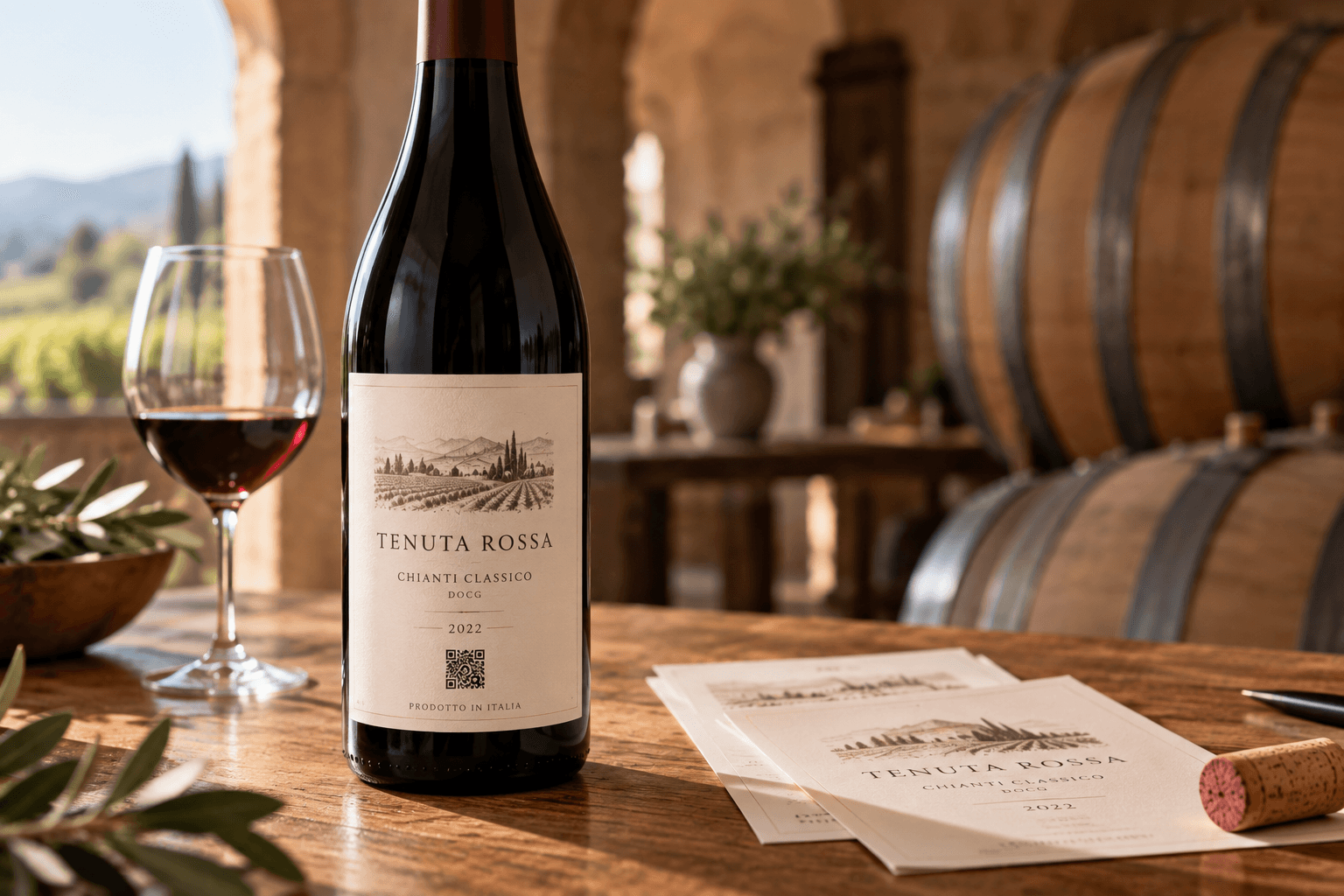
If you sell wine in the European Union, you may have heard that wine bottles now need QR codes.
But that is not quite what the rules say.
EU wine labeling rules require applicable wines to provide consumers with additional information, including a nutrition declaration and a list of ingredients. A QR code is one way wineries can make some of that information available electronically.
It is not, however, a requirement that every wine bottle carry a QR code.
So what is actually required, and when does using a QR code make sense?
Does every wine bottle need a QR code?
No.
EU rules do not specifically require wineries to place a QR code on every bottle.
Instead, wineries must provide the required nutrition and ingredient information for wines subject to the rules. Producers have the option to provide the full information on the physical label or provide certain information electronically.
A QR code is one permitted way to give consumers access to that electronic information.
That distinction matters.
The requirement is about making mandatory product information available to consumers. It is not a requirement to use one specific technology.
Why are QR codes appearing on so many wine bottles?
Space is limited on a wine label.
Adding a complete ingredient list and full nutrition declaration directly to the bottle can take up valuable room, particularly on labels designed around a clean or premium aesthetic.
EU rules allow wineries to limit the nutrition declaration on the physical label to the energy value when the full nutrition declaration is provided electronically.
The ingredient list can also be provided electronically.
A QR code gives wineries a practical way to direct consumers from the physical bottle to that information without putting the entire declaration on the printed label.
What still needs to appear on the physical wine label?
Using a QR code does not move every labeling requirement online.
When the full nutrition declaration is provided electronically, the energy value still needs to appear on the package or attached label.
When the ingredient list is provided electronically, substances causing allergies or intolerances must still be indicated on the physical package or label as required by the applicable rules.
A digital label therefore complements the physical wine label. It does not replace it.
Wineries should review the complete set of labeling requirements applicable to each product and market rather than assuming that adding a QR code makes a bottle compliant.
Which wines are covered by the EU rules?
The new EU requirements for ingredient and nutrition information entered into application on December 8, 2023.
The European Commission states that wines produced before December 8, 2023 can continue to be sold without the new declarations until stocks are exhausted.
For wines subject to the newer requirements, wineries need to provide the required nutrition and ingredient information, whether directly on the physical label or, where permitted, electronically.
This is another reason the question is not simply whether "wine needs a QR code."
The requirements depend on the wine and when it was produced, while the QR code itself is only a method of accessing information.
If you use a QR code, what can it link to?
For EU compliance purposes, a QR code can provide access to an electronic label containing the full nutrition declaration and ingredient list.
There are important restrictions on that electronic information.
The EU rules state that the required electronic nutrition and ingredient information must not be displayed alongside information intended for sales or marketing purposes. User data also cannot be collected or tracked through the electronic compliance information.
That means a QR code used for this purpose should not simply send consumers to a winery homepage, online store, or general marketing page.
The compliance destination needs to be designed around providing the required product information.
Can a wine bottle have more than one QR code?
A bottle can have QR codes serving different purposes, but wineries should make it clear which code provides access to the mandatory electronic information.
For example, a winery might use one QR code for required product information and another for a separate consumer experience.
Keeping those purposes distinct is especially important because electronic information used to satisfy EU ingredient and nutrition requirements cannot be mixed with sales or marketing content.
Clear labeling around the compliance QR code can help consumers understand where to find the required information.
Do wines sold outside the EU need the same QR code?
Not necessarily.
Wine labeling requirements depend on the market where the product is sold.
The rules discussed here concern wines marketed in the European Union. A winery exporting to other countries should review the requirements that apply in each destination market rather than assuming that the EU approach applies everywhere.
For producers selling the same wine across several markets, this can make label planning more complicated.
A digital labeling system can help centralize product information, but it does not eliminate the need to understand the regulations that apply in each market.
Do you need a new QR code every time wine information changes?
Not necessarily.
One advantage of a digital label is that the information behind the QR code can be managed digitally rather than being permanently printed beside the code.
With Winetraqr, wineries can update a wine's information and the QR codes linked to that wine will continue to display its current ingredients and nutrition data.
Winetraqr Premium also supports multiple QR codes for the same wine. Those codes can point to the same wine data while being managed separately.
Before updating an existing wine, however, wineries should consider whether bottles already in circulation still need to display their original product information. A new vintage or materially different wine may need to remain distinct rather than simply replacing the information associated with an older release.
So, should your winery use a QR code?
A QR code is not mandatory simply because a product is wine.
But for wineries that choose to provide permitted mandatory information electronically, it can be a practical way to meet labeling requirements while keeping the physical label manageable.
The key is to start with the actual requirement:
- Determine which labeling rules apply to the wine and market.
- Identify what information must appear physically on the bottle.
- Decide whether permitted information will appear physically or electronically.
- If using an electronic label, make sure the destination follows the applicable requirements.
- Test the QR code before labels go to print.
The QR code is the access point. The accuracy and presentation of the information behind it are what matter.
Create a digital wine label with Winetraqr
Winetraqr helps wineries create and manage digital wine labels and QR codes for their wines.
Wine information can be managed digitally, allowing wineries to provide consumers with ingredients, nutrition information, and other relevant product details through a mobile-friendly experience.
If you're preparing labels for an upcoming release, you can create a free Winetraqr account and start building your digital wine labels.
Unlock the story behind every bottle
- Unlimited wines and QR codes
- Automatic language translation
It's free to sign up. No credit card needed.