Physical Wine Labels vs Digital Labels: What Information Must Go Where?
Learn which information must remain on a physical wine label and what can be provided through a digital label using a QR code under EU wine labeling rules.

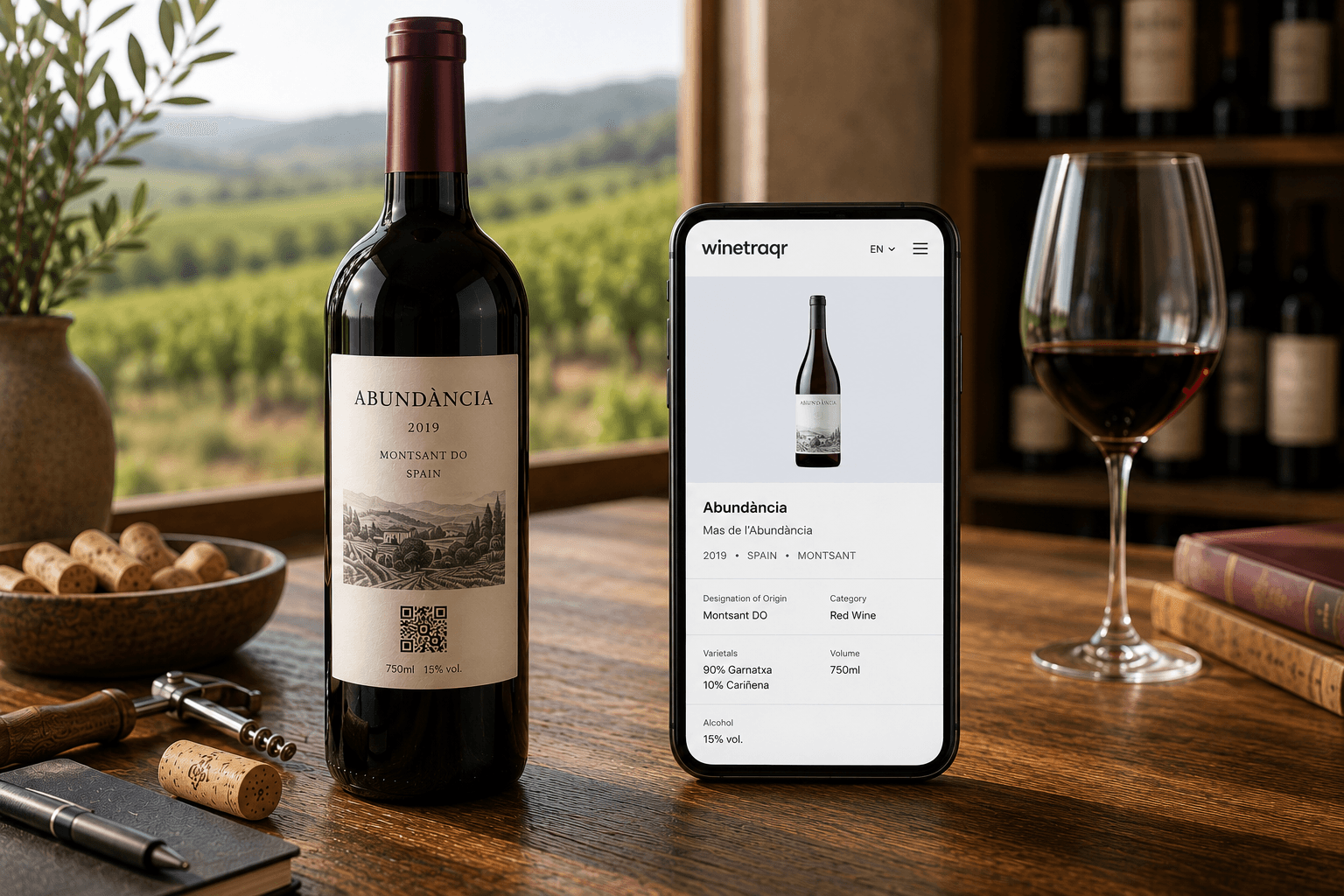
One of the most common questions wineries ask when implementing digital wine labels is simple:
What information still has to appear on the physical bottle, and what can be moved to the QR code?
Understanding the difference is essential for staying compliant while making the most of digital labeling. Although QR codes provide much greater flexibility, they don't replace the physical wine label. Instead, the two work together.
Here's what wineries need to know.
The physical label remains essential
A digital label is designed to complement the bottle, not replace it.
Certain information must continue to appear directly on the physical label so consumers can identify the product without scanning a QR code. The bottle remains the primary source of essential product information.
The exact requirements vary depending on the market, but wineries should always ensure that mandatory on-label information remains visible where required by applicable regulations.
What belongs on the digital label?
Digital labels allow wineries to provide information that would otherwise be difficult or impossible to fit on the bottle.
For wineries selling wine in the European Union, QR codes are commonly used to provide:
- Nutritional information
- Ingredients
- Allergen information
- Additional product details
- Multiple language versions for international markets
Because this information is hosted digitally, it can also be updated without reprinting labels when regulations or product information change.
Why combine physical and digital labels?
Using both physical and digital labels offers several advantages.
The printed label preserves the premium appearance of the bottle while the digital label provides consumers with detailed information in a mobile-friendly format.
This approach also gives wineries greater flexibility when selling across multiple countries, where language requirements and regulatory expectations may differ.
Rather than trying to fit everything onto a limited label, wineries can keep the bottle clean and elegant while still providing complete product information.
Choosing the right digital label platform
Not every digital labeling platform offers the same capabilities.
When comparing solutions, look for features such as:
- Easy management of multiple wines
- Dynamic QR codes
- Multilingual support
- Mobile-optimized digital labels
- Simple updates without reprinting labels
- Optional scan analytics
- Reliable compliance support
These features can save significant time as your wine portfolio grows.
Making compliance easier
Managing physical and digital labels doesn't have to be complicated.
Platforms like Winetraqr help wineries create compliant digital labels, generate QR codes, publish multilingual product information, and update content whenever needed, all without replacing labels already on bottles.
The result is a simpler compliance process and a better experience for both wineries and consumers.
As digital labeling continues to become standard across international wine markets, understanding what belongs on the bottle and what belongs online will help wineries stay compliant while providing the transparency today's consumers expect.
Unlock the story behind every bottle
- Unlimited wines and QR codes
- Automatic language translation
It's free to sign up. No credit card needed.