Spring Wine Releases: When Wineries Need New QR Codes
Learn when wineries need a new QR code for a wine release versus when existing digital wine label information can simply be updated for EU compliance.

Introduction
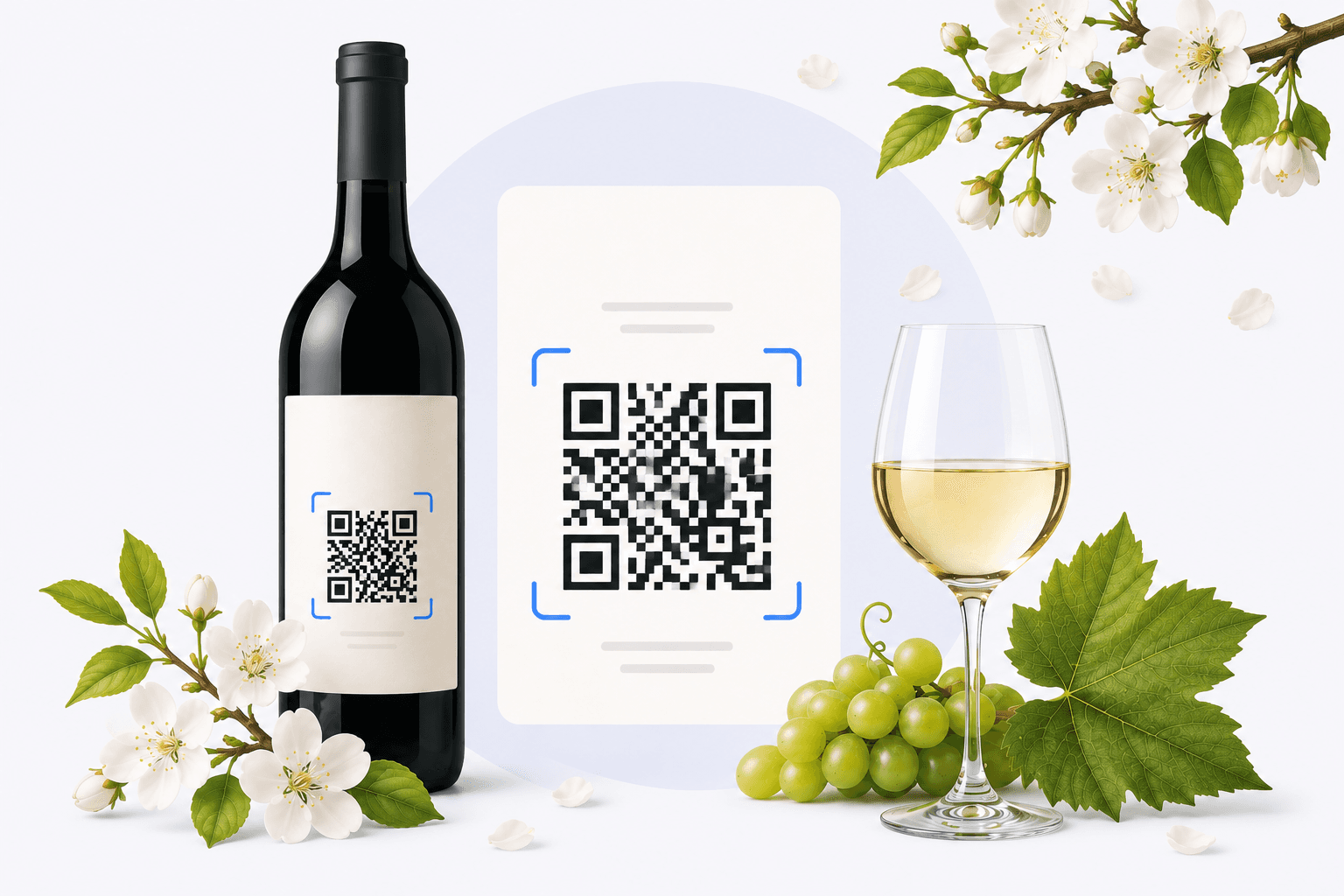
The European wine industry is stepping into an era where digital transparency is no longer optional. It's essential. Thanks to EU Regulation 2021/2117, wineries must now provide detailed nutritional and allergen disclosures on every wine label. For many spring wine releases, QR codes have quickly become more than a convenience. They’re the digital bridge ensuring consumers get the information they need, right at their fingertips. But with changing regulations comes a pivotal question: when should wineries generate brand-new QR codes for their latest releases, and when is it enough just to update the information behind an existing code? The answers can help streamline your operations and keep your compliance spot-on.
Understanding EU Wine Labeling Regulations
Any winery wishing to sell wine in the European market must comply with EU labeling rules. Energy information (such as calories per 100ml) must appear directly on the physical wine label, while ingredients and full nutrition information can be provided digitally through a QR code. Allergen declarations, such as sulphites, must also remain visible on the physical label.
But it’s not just about putting any code on your bottle. The QR code must lead to a digital landing page that consumers can access in any official language of each EU member state where your wine is sold. This safeguards accessibility, so every wine lover is empowered, no matter their background. And there’s another layer: these digital labels can’t contain marketing material or tracking technology. The aim is total transparency, with a strict line drawn between regulatory information and promotional content.
When to Generate a New QR Code
Sometimes, there’s no substitute for a fresh start. There are certain moments in the life of your spring wine releases when generating a brand-new QR code is not just best practice. It’s non-negotiable if you want to remain compliant and maintain consumer trust.
- New Product or Vintage: Launching a new wine or the latest vintage? Each deserves its own unique QR code. That way, the digital label is always tailored to, and only relevant for, the wine in the consumer’s glass, not last year’s batch or a parallel bottling.
- Substantial Composition Changes: Maybe you’ve introduced a new grape variety, adjusted your sulphite levels, or significantly altered sugar or alcohol content. Each of these is a game-changer for nutritional and ingredient information, requiring both a new QR code and an updated landing page.
These touchpoints don’t just support compliance. They foster transparency, traceability, and continued confidence across all your markets.
When an Update to Existing QR Code Information Suffices
But let’s not make more work than necessary. In many cases, updating the information linked to your current QR codes is all that’s needed. This is a practical, compliant way to keep things accurate and efficient.
- Minor Data Adjustments: Found a rounding fluctuation in your nutritional values? Spotted a tiny tweak in your ingredient disclosure that doesn’t really change the wine itself? These are the kinds of changes easily managed by updating your digital label content.
- Translation or Error Corrections: Need to fine-tune your translations for a specific EU language or fix a small typographical slip? Go ahead and just update the landing page, no need for new codes.
- Instant Updates via Digital Platforms: Platforms like Winetraqr make it simple to push real-time updates to digital wine labels, keeping your spring releases compliant without a single label reprinted.
By approaching updates this way, you add flexibility to your labeling workflow, cut down on waste, and avoid unnecessary production headaches.
Best Practices for Managing QR Codes in Wine Labeling
Seamless compliance does not happen by accident. For most wineries, adopting a handful of smart best practices unlocks both efficiency and peace of mind:
- Centralized Management: Choose a digital platform, like Winetraqr, that enables you to manage all your QR codes and digital labels from one place. Centralization isn’t just about convenience. It makes audits and ongoing tracking vastly simpler.
- Regular Compliance Reviews: Build in routine checkups by regularly reviewing your digital labels to ensure all nutritional, ingredient, and allergen information is current as your offerings or industry rules evolve.
- Marketing-Free Compliance: Maintain a clear boundary by keeping compliance information free from marketing content, email signups, or trackers. The regulations are explicit on this, and your consumers will appreciate the clarity. If you'd like to use QR codes for marketing pages or promotions, Winetraqr also offers this as part of its premium features, ensuring your compliance labels remain distinct, while still supporting your brand's engagement goals.
- Leverage Analytics: While EU rules prevent tracking individual consumers, some platforms, including Winetraqr, offer aggregate scan data by region. This allows you to monitor overall engagement while upholding privacy standards.
Want to see how Winetraqr can simplify compliance for your spring releases? Take a closer look at how its centralized management and real-time updates make regulatory labeling effortless for wineries both large and small.
Conclusion
Navigating when to generate a new QR code and when to simply update the data behind an existing one is foundational for compliant spring wine releases under evolving EU wine labeling rules. Launching new wines, making significant composition or branding changes—these require fresh QR codes. Meanwhile, minor tweaks and translations are easily handled by updating your current digital labels.
Ultimately, staying compliant does more than satisfy legal mandates. It reinforces consumer trust, showcasing your winery’s commitment to clear, accurate, up-to-date information.
With digital platforms like Winetraqr, packed with features such as automatic language support, mobile optimization, and instant updates, wineries can rise to new compliance challenges efficiently and confidently. Create your free Winetraqr account today to experience effortless digital wine labeling and ensure your next release is regulatory-ready and consumer-friendly.
Atklājiet stāstu aiz katras pudeles.
- Neierobežoti vīni un QR kodi
- Automātiska valodas tulkošana
Reģistrācija ir bezmaksas. Kredītkarte nav nepieciešama.