Why Dynamic QR Codes Matter for Growing Wineries
Discover why dynamic QR codes are essential for growing wineries. Learn how they simplify compliance updates, improve marketing flexibility, and support scalable wine label experiences.

Introduction
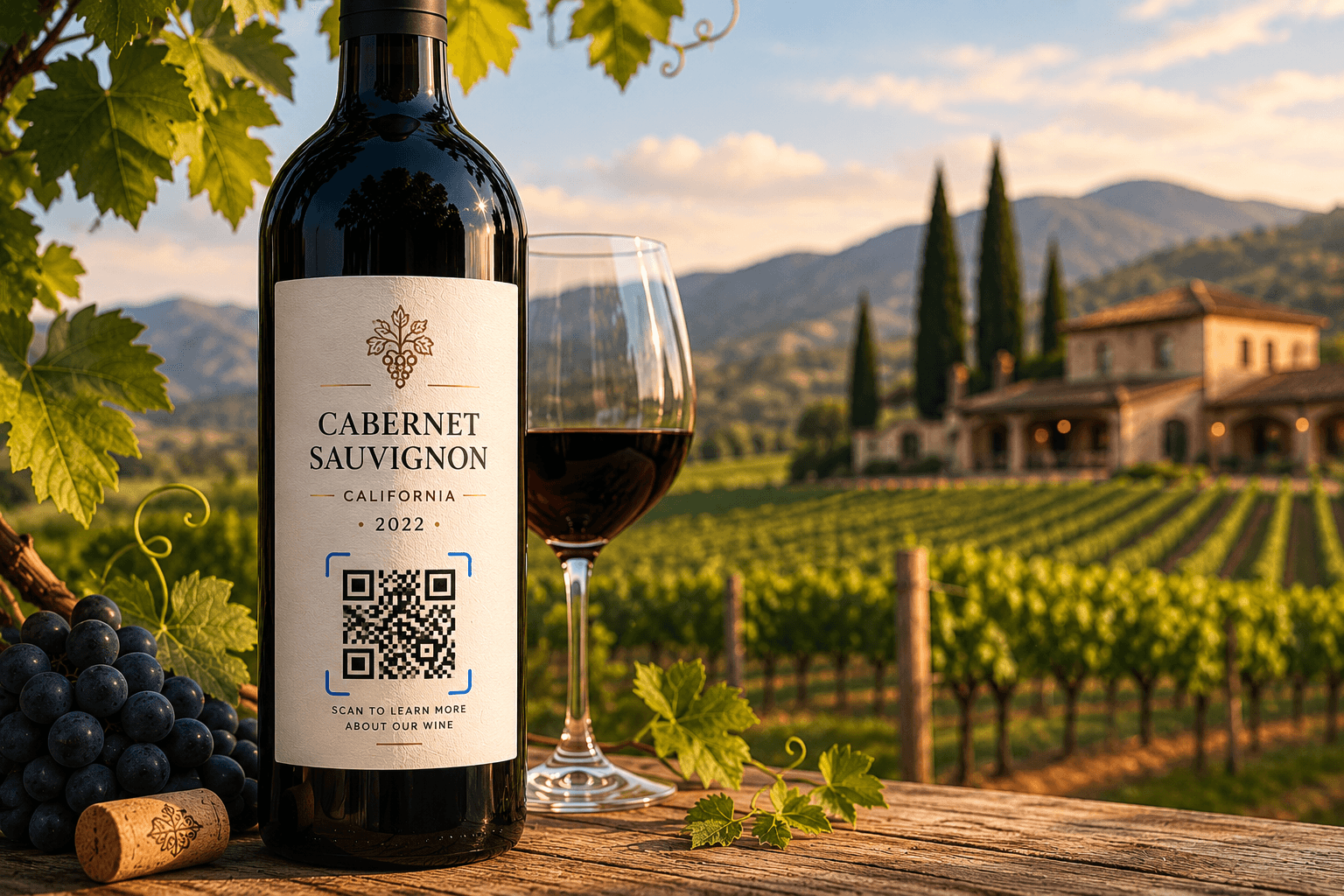
The wine industry is undergoing rapid transformation. As consumer expectations evolve and regulatory requirements become more complex, wineries face increasing pressure to adapt quickly or risk being left behind. This is particularly true in wine labeling, where compliance and modern marketing must go hand in hand. Digital solutions, especially dynamic QR codes, have become vital for innovative wineries. Dynamic QR codes provide a practical way to meet regulatory obligations while also engaging today’s tech-forward wine consumers.
Understanding Dynamic QR Codes
What makes dynamic QR codes unique? Unlike static QR codes, dynamic versions are not tied to a single, unchangeable web address. A printed code on your wine bottle can seamlessly redirect consumers to updated content whenever necessary, eliminating the need to reprint labels for every update. This flexibility reduces stress and lowers costs, as wineries can avoid replacing inventory or worrying about outdated information in the marketplace.
Dynamic QR codes offer a contemporary solution for wineries seeking to keep up with regulations, launch new marketing initiatives, or provide detailed stories for each bottle.
Static vs. Dynamic QR Codes:
-
Static QR Codes:
The information or URL in a static QR code cannot be changed. If details are updated, you must generate new codes and reprint labels, which grows costly and inefficient. Static codes also do not provide tracking or analytics features. -
Dynamic QR Codes:
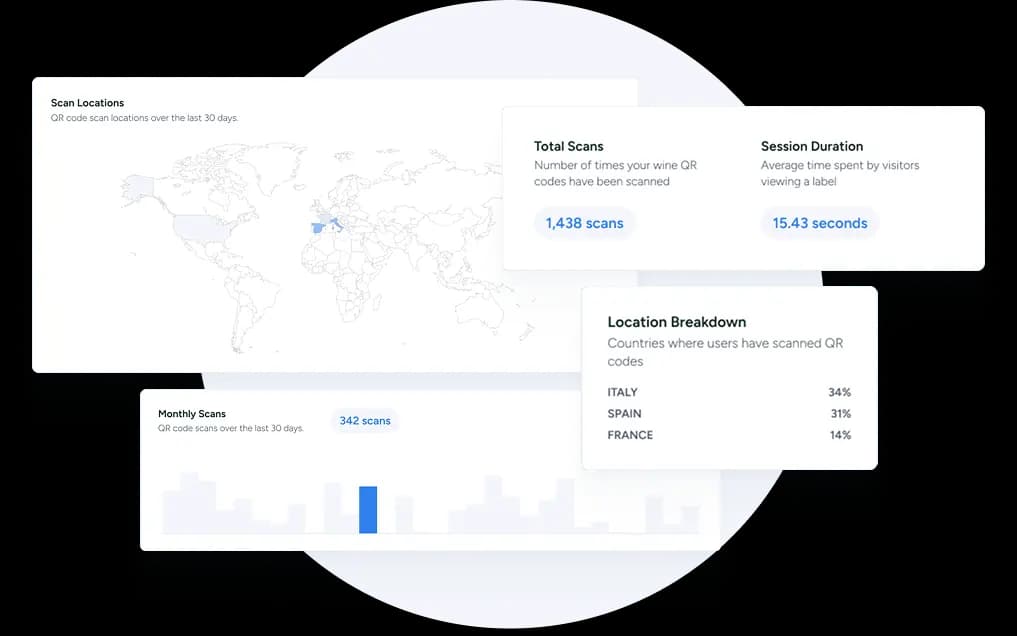
The destination linked to a dynamic QR code can be updated at any time. Whether you want to share tasting notes for a recent vintage or modify regulatory information quickly, changes can be made without the need for new labels. Additionally, dynamic codes offer real-time analytics, giving wineries the ability to track scanning activity and gather valuable insights about customer engagement.
EU Wine Labeling Regulations and Compliance
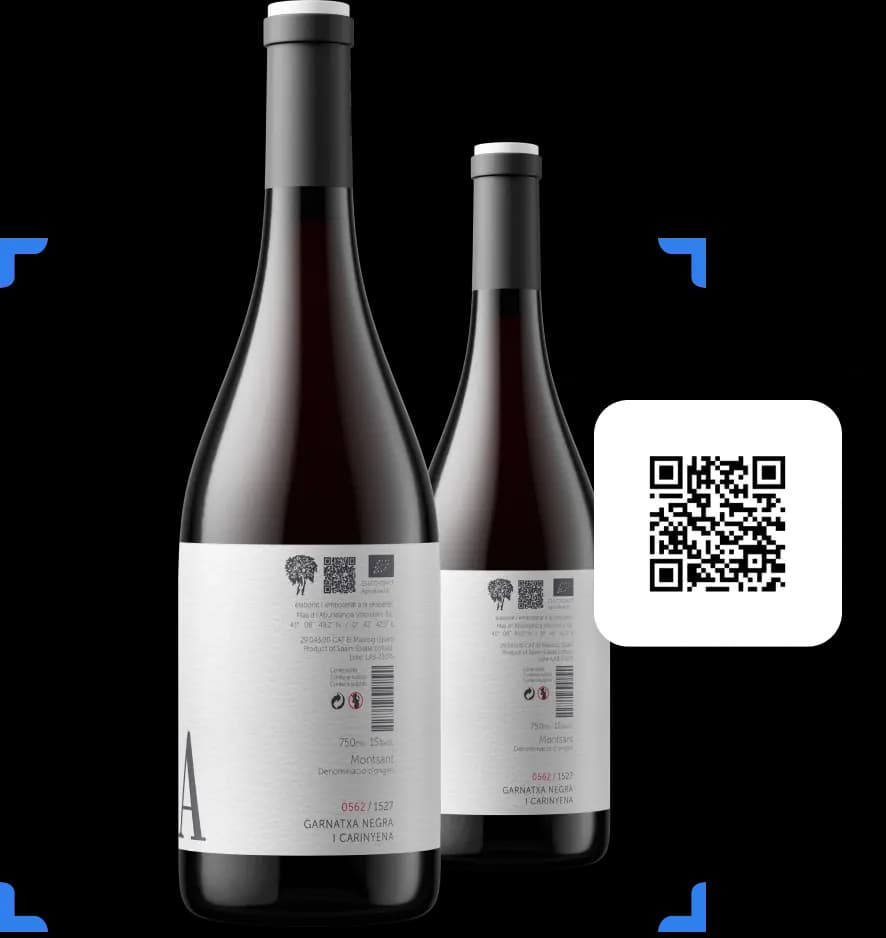
Recent changes in EU wine labeling regulations, most notably EU Regulation 2021/2117, have increased transparency expectations. Each wine bottle sold in the European Union now needs to display comprehensive information about nutrition, ingredients, allergens, and more. This allows consumers to make informed decisions, but it also raises the bar for wineries, especially those selling internationally. Each market may require information in multiple languages, and label space remains limited. Traditionally, addressing these requirements meant using additional inserts or overcrowding labels, both of which increase costs and complexity.
How Dynamic QR Codes Help with Compliance:
-
Nutritional & Allergen Information:
A single scan provides consumers with detailed, up-to-date digital labels. This keeps bottles looking clean while ensuring all required regulatory information remains current. -
Multilingual Support:
For wines distributed across several EU countries, dynamic QR codes can direct consumers to content in their local language. This facilitates ongoing compliance throughout the region. -
Instant Updates:
Regulations can change quickly. With dynamic QR codes, digital labels can be updated immediately, so wineries never risk falling out of compliance due to slow physical label updates or existing stock issues.
Benefits of Dynamic QR Codes for Wineries
The advantages that dynamic QR codes provide extend beyond mere convenience. For forward-thinking wineries, these codes open up exceptional opportunities:
-
Effortless Updates Without Reprinting:
Regulations or marketing priorities may shift often. Using dynamic QR codes, wineries can refresh digital content anytime, so there is no need to discard label stock or use outdated information. -
Automatic Multi-language Translation:
Easily deliver wine label information in up to 25 languages without tedious manual adaptation. Platforms such as Winetraqr enable seamless EU-wide compliance and clear communication. -
Enhanced Customer Engagement:
Separate QR codes can be used for compliance and marketing. Compliant QR codes deliver only the required product information, while Winetraqr Premium enables additional marketing QR codes for sharing tasting notes, pairing ideas, videos, or shop links, helping to build loyalty and customer connection. -
Actionable Analytics:
Dynamic QR codes collect valuable data regarding consumer interactions. Wineries can track where their QR codes have been scanned, which helps to inform strategies for different markets and regions.
Conclusion
Moving to digital labeling is more than simply fulfilling regulations. It represents an opportunity to engage consumers, access actionable insights, and work more efficiently. For wineries aiming to stay ahead of the competition, dynamic QR codes are quickly turning into an industry standard, not just an optional extra.
By choosing advanced solutions such as Winetraqr, wineries can confidently meet EU regulatory demands, foster meaningful connections with wine lovers worldwide, and solidify a brand identity that meets both current and future challenges.
Begin your digital labeling journey with Winetraqr and elevate your winery with compliance, innovation, and genuine customer engagement: https://winetraqr.com/.
Lås upp berättelsen bakom varje flaska.
- Obegränsat antal viner och QR-koder
- Automatisk översättning av språk
Det är gratis att registrera sig. Inget kreditkort krävs.